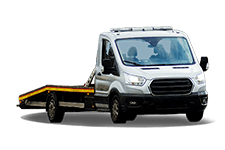
Balancing generous cargo room against comfortable handling often shapes the entire hire experience. If you are debating whether a larger chassis is worth the extra care needed on tighter streets, this guide outlines the key choices when arranging van hire in Hull.
Allocating Time for Vehicle Walkarounds
Rushing through collection or drop-off risks overlooking existing scuffs or missing dashboard warnings. Allow at least fifteen minutes at both ends of your rental to inspect bodywork alongside staff, test mirrors, and clarify fuel return policies before setting off.
Protecting Your Schedule with Sensible Buffers
Unexpected delays during loading, heavy city traffic, or motorway hold-ups can quickly derail an overly tight rental period. Adding a cushion to your booking window ensures you avoid penalty fees and gives you ample room to clean and refuel the vehicle without unnecessary stress.
Clarifying Paperwork and Protection Terms Early
Rental counters operate under specific criteria, so inquire beforehand about acceptable identification, DVLA check codes, and card pre-authorisations. Asking what the collision protection covers—and whether windscreens or tyres are excluded—ensures there are no surprises when you sign the agreement.
Weighing Payload Against Roadway Manoeuvrability
Larger lutons carry bulky furniture in fewer journeys, yet a mid-size panel van remains far easier to negotiate through narrow residential turnings and parking bays. Assess your access routes at both properties alongside your cargo volume. Keep in mind that specific categories can vary in availability depending on seasonal demand, so identify a workable backup option if your preferred model is unavailable.
Questions before you book
How should I organise the timing of a van hire in Hull?
Map out your loading, transit, and unloading stages, then build in contingency for traffic and re-fuelling. Check the counter's opening hours and whether out-of-hours key drops are supported if you run late.
What happens at the handover of a hired van in Hull?
You will typically review paperwork, confirm fuel levels, and complete a joint exterior check to log any pre-existing imperfections before receiving the keys. Ask staff to demonstrate unfamiliar controls if needed.