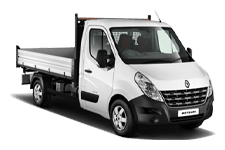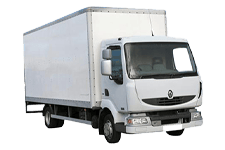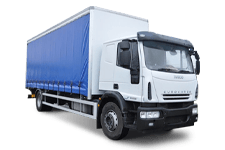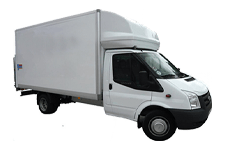
Taking on an unfamiliar loading project for the first time often turns vehicle selection into guesswork, especially if you rarely drive anything larger than a family hatchback. Matching your transport to the route and cargo prevents unnecessary stress on collection day.
Map the Full Route and Stopping Points First
Access limits matter just as much as interior floor space. Narrow approach lanes, low tree canopies, tight residential cul-de-sacs, and awkward commercial bays can quickly stop a tall vehicle in its tracks. Before committing to a large chassis, verify whether both collection and delivery points offer sufficient turning room and legal parking spaces. A vehicle that swallows your cargo easily is of little use if it cannot reach the door.
Gauge the Driver’s Real Comfort Level
Handling an unfamiliar gearbox, elevated seating position, and broader turning sweep can feel daunting during heavy traffic. If multiple people share the wheel, let the person with the least commercial driving experience set the upper threshold for vehicle size. Choosing a manageable model with decent visibility and straightforward mirrors often saves far more time than wrestling with an oversized unit you feel hesitant to reverse.
Itemise Bulky Cargo Rather Than Guessing Volume
Awkwardly shaped machinery, long construction materials, or dense palletised boxes rarely pack as neatly as imagined. Listing the exact dimensions and approximate weights of your most demanding items creates a realistic baseline for payload requirements. Fleets fluctuate regularly, and specific chassis types may vary in availability depending on seasonal demand, so sharing your inventory with hire staff early helps identify the most practical body configuration.
Clarify Hire Conditions and Terms Upfront
Written agreements should leave no ambiguity regarding operational costs. Ask prospective providers what security deposit arrangements apply, which driving licence entitlements their vehicles require, and how fuel policies operate on return. You might also ask how collision damage excess is handled, what documentation must be produced at collection, and whether weekend return times affect the final invoice.
Questions before you book
How do I pick a suitable truck in Laindon?
Start by reviewing the heaviest and bulkiest items you intend to transport alongside any overhead height or parking restrictions along your path. Selecting a vehicle that keeps within the driver's comfort zone while safely managing the weight reduces logistical complications.
What should a truck hire enquiry for Laindon include?
Outline your expected mileage, planned dates, cargo dimensions, and driving licence categories. It also pays to ask about payment terms, deposit return timelines, and standard cover limits before confirming the arrangement.